정직한 평결: 바이오 제조에서의 ML/AI는 실제로 어디쯤에 있는가
📍 현재 위치: 8부 · 평결 — 30장. 최전선 장은 기반 모델, 자율 실험실, 그리고 에이전트형 AI를 다음 지평으로 그렸고, 연결 장은 그 근시일 에이전트형 응용 하나를 해부했습니다. 이 장은 둘 다의 반대를 합니다. 앞을 내다보기를 멈추고 장부를 결산하여, 이미 GMP 공장에서 돌아가는 것을 슬라이드 덱에서만 돌아가는 것으로부터 갈라냅니다.
스물아홉 장을 지나온 지금, 화려하게 끝내고 싶은 유혹이 듭니다 — 바이오공정을 "지능적"이라 선언하고 과학자가 곧 모델로 대체되리라 선언하는 것입니다. 그것은 부정직할 것이고, 이 책의 요점은 처음부터 정직함이었습니다. 그래서 이 장은 대신 화려하지 않은 결산을 합니다. 같은 척추를 마지막으로 한 번 더 걷되, 새로운 기법을 더하기 위해서가 아니라 이미 다룬 기법들에 점수를 매기기 위해서입니다. 무엇이 상용(GMP — 우수 제조 관리 기준, 규제 의약품 공장이 그 아래에서 운영되는 법적으로 강제되고 규제자 점검을 받는 규칙 — 나 상업 공장에서 돌아가며 실제 결정을 내리거나 알려 줌)이고, 무엇이 파일럿(규모에서 또는 그 근처에서 시연되었으나 정착하지 않음)이며, 무엇이 과대광고(보도자료, 단일한 자체보고 숫자, 또는 결코 일상이 되지 못한 데모)인지를.
평결을 솔직하게 미리 말하면 이렇습니다. 바이오 제조에서의 기계학습은 실재하고, 가치 있으며, 마케팅이 시사하는 것보다 훨씬 좁습니다. 그것은 모니터링과 추론을 지배합니다 — 무슨 일이 일어나고 있는지, 그리고 어떤 숫자가 아마 무엇인지를 알려 줍니다 — 그러나 핵심 품질 속성(CQA — 의약품이 안전하고 효과적이려면 규격 안에 머물러야 하는, 순도나 역가 같은 몇 안 되는 측정된 제품 속성)의 자율 제어는 거의 건드리지 못했습니다. 그 둘 사이의 간극은 다음 분기에 닫히기를 기다리는 공학적 누락이 아닙니다. 그것은 앞선 모든 장이 부딪힌, 그리고 이 장이 한곳에서 이름 붙이는 여섯 가지 구조적 긴장의 산물입니다.
모두의 성적표에 "A+, 혁명적"이라고 적힌 학급에 점수를 매긴다고 상상해 보세요. 당신은 자기 채점을 무시하고 각 학생이 감독 없이, 진짜로 중요할 때 무엇을 실제로 할 수 있는지를 봅니다. 몇몇은 상용에서 진짜 일을 할 수 있습니다 — 스펙트럼을 읽고, 바이알을 검사하고, 표류하는 배치에 깃발을 답니다. 많은 수는 데모에서 인상적으로 해내지만 진짜 시험에서는 얼어붙습니다. 그리고 한 줌은 오직 스스로에게 점수를 매겼기에 A+를 받았을 뿐입니다. 이 장은 자기 평가를 읽는 대신 시험을 지켜보겠다고 고집하는 교사입니다. 이 장이 가르치는 가장 중요한 단 하나의 습관은 이것입니다. 누군가 숫자를 인용하면, 믿기 전에 누가 그것을 무엇에 대해 측정했는지를 물으세요.
이 장에서 다루는 내용
- 실행 가능한 증거 집계에 근거한, 바이오공정 척추 전체에 걸친 상용-대-파일럿-대-과대광고 장부
- 모든 장을 통제하는 여섯 가지 반복되는 미해결 긴장: 소량-데이터 천장, VCD 소프트 센싱, 검증-대-학습, 자체보고 문제, 폐루프 GMP 실시간 출하의 희소성, 그리고 Annex 22 초안이 선을 긋는 지점
- 정직한 증거 주장 하나의 해부 — 이 분야에서 진실의 진짜 단위인
(company, application, claim, maturity, tier, note)튜플 - 오늘 ML 프로그램을 시작하는 팀을 위한 구체적이고 순서 매겨진 조언
- 5권을 1권부터 4권까지 다시 묶는 관통선 — 같은 공정을 다섯 개의 렌즈로 본 것
오늘날 진정으로 상용인 것
학회 기조연설을 걷어내면 짧고 단단한 목록이 남습니다. 실제로 GMP 공장 안에서 돌아가며 실제 물질과 실제 결정을 건드리는 ML 및 통계 학습 응용들입니다. 그들은 가족 닮은꼴을 공유합니다 — 그들은 자율적으로 결정하기보다 추론하거나 모니터링하고, 사람이 감독하는 루프 안에 자리하며, 대부분은 "AI" 표찰이 새로운 곳에서조차 방법으로서는 적어도 십 년이 넘었습니다. 이 목록은 책 전체의 명제 진술처럼 읽힙니다. 모든 항목은 감지 또는 추론 기능이고, 어느 것도 결정 기능이 아니며, 그 두 동사 사이의 경계가 바로 규제와 데이터와 물리가 한꺼번에 이 분야를 멈춰 세우는 지점입니다.
다변량 통계적 공정 모니터링(MSPC/MSPM). 이것은 한 번에 하나가 아니라 수십 개의 공정 신호를 함께 지켜보는 관행입니다. PCA와 PLS — 많은 상관된 측정값을 몇 개의 요약 점수로 압축하는 두 고전적 통계 방법 — 가 건강한 배치 궤적이 어떻게 보이는지의 "지문"을 짓고, 거기서 벗어나는 어떤 새 배치에도 깃발을 답니다. 이 모델들은 업계에서 가장 철저히 배포된 학습 방법이며, Sartorius SIMCA / SIMCA-online과 AspenTech ProMV로 제품화되어 지속적 공정 검증, 골든 배치 모니터링, 결함 탐지에 쓰입니다 (상용) [1]. 그 방법은 독립적으로 출판되었고 40년 성숙했습니다. 새로운 것은 수학이 아니라 포장입니다 — Nomikos와 MacGregor의 바탕 다중방향 PCA는 현대의 "AI" 어휘를 30년 앞섭니다. 5권은 이를 QC 및 출하 장의 MSPC에서 구체화했습니다. 다섯 개의 PASS 배치에 적합한 2성분 PCA가 두 경보 임계값을 설정합니다 — Hotelling T² 한계 30.57(배치가 지문 안에서 정상으로부터 얼마나 멀리 앉아 있는지)과 SPE 한계 4.95(배치가 지문에 아예 얼마나 나쁘게 들어맞지 못하는지) — 그런 뒤 BATCH-2026-004만을 홀로 깃발 답니다(0.5–2.8의 함대에 대해 SPE 356.59), 기여도 도표가 83퍼센트를 HCP_ng_per_mg로 가리키며 — 추측이 아니라 진짜 규격 이탈(출하 한계를 못 넘김) 메커니즘, 즉 숙주세포단백질 잔류(생산 세포에서 나온, 반드시 제거되어야 하는 잔류 단백질)입니다. 그 출하 패널 PCA는 배치 종료 지문이고, 동반 batch_mvda.py는 진짜 Nomikos와 MacGregor의 다중방향 PCA를 나릅니다 — DTW 정렬, 펼침, 그리고 궤적 전체를 점수화하여 스트레스 배치들(한계 48.50에 대해 SPE 356.95와 375.47)을 궤적 이상치로 깃발 답니다. 3권은 같은 발상 아래에 오픈소스 다중방향 PCA 코어를 만들었습니다. 이것이 상용인 것은 정확히 그것이 아무것도 결정하지 않기 때문입니다. 그것은 관리 타원을 그리고 사람이 기여도 도표를 읽습니다.
인라인 라만 + 화학계량 소프트 센서. 소프트 센서는 쉽고 연속적인 신호로부터 측정하기 어려운 양을 추론하는 모델입니다. 여기서 PLS 보정은 라만 스펙트럼(배양의 광학 스캔)을 1–2분마다 글루코스, 락트산, 또는 역가 판독값으로 바꾸고 — CHO 배양에서 문서화된 폐루프 글루코스 제어를 포함하여 — 진정으로 상용입니다 [2][3]. 이것은 책에서 가장 깨끗한 "ML이 무언가를 제어한다" 이야기이며, 그것이 무엇을 제어하는지를 정확히 짚을 가치가 있습니다. 공급 영양소(글루코스, 공정 입력)이지, CQA(약물 자체의 품질 속성)가 아닙니다. 책 자신의 소프트 센서 실행은 한 호흡에 그 논거와 한계를 함께 냅니다 — 701개 파수(라만 스펙트럼의 점들) 위의 5성분 PLS가 R² 0.9944로 역가(배양 리터당 항체 그램 수)를 예측하고(R²는 1.0이 완벽인 적합 점수이므로 이것은 거의 완벽한데 — 바로 그 때문에 다음 절이 중요합니다: 그것은 이미 본 배치들의 무작위로 유보된 시간들에서 점수 매긴 배치 내 보간 분할이지, 전혀 보지 못한 배치 위의 누수 없는 시험이 아닙니다), 5,713개 매개변수의 1D-CNN(심층 신경망)은 여덟 배의 매개변수를 쓰고도 그것을 이기지 못합니다(R² 0.9924). 심층 모델은 이기지 못하며, 소량-데이터 영역이 그 이점을 지웁니다. 그래서 상용 배포는 단순한 모델이고, 그것이 작동시키는 것은 글루코스 설정값 피드백 루프(목표 수준을 유지하도록 글루코스 공급을 위아래로 살짝 조절함)이지, 결코 출하 결정이 아닙니다. 생산 바이오리액터 장과 2권의 소프트 센서 장이 모두 여기에 닿습니다.
심층학습 자동 시각 검사(AVI). 충전된 바이알과 주사기를 입자, 균열, 충전 결함에 대해 검사하는 합성곱 비전 모델은 QC에서 가장 강력한 상용 심층학습 사례입니다 — 진정으로 깊은 망이 제값을 하는 유일한 곳인데, 단일 이미지가 배치 기록의 한 줌 기록된 숫자는 결코 갖지 못할 수백만 화소의 정보(심층 모델이 학습에 필요로 하는 "데이터 밀도")를 나르기 때문입니다. Amgen은 그러한 시스템이 주사기와 바이알의 대략 95퍼센트를 자동 출하한다고 보고합니다 — 벤더/자체보고이고, 수년의 검증 작업과 FDA 대화가 들었으며, 완전히 검증된 개조는 푸에르토리코 훈코스의 주사기 라인이었던 수치입니다 (상용) [4]. 책의 비전 AVI 스케치(vision_avi.py)는 작동하는 모델과 배포된 모델 사이의 간극에 대해 일부러 정직합니다. 그것은 오직 형상 계약만을 고정합니다 — eval() 모드로 실행되고 검증에서 잠긴 6클래스 망(accept, particulate, crack, fill_level, stopper, cosmetic) — 그리고 95퍼센트 수치를 스케치가 재현하는 것이 아니라 벤더 보고라고 명시적으로 태깅합니다. 제제화 및 충전-마감 장이 배포된 사례를 깊이 다룹니다.
기계론적 크로마토그래피 모델링. Cytiva의 GoSilico와 유사 도구들은 크로마토그래피 거동 — 크로마토그래피는 항체를 불순물로부터 분리하는 컬럼 기반 정제 단계입니다 — 을 상업 CMC 작업에서 정제 단계를 설계하고 해결하기에 충분할 만큼 잘 예측합니다 (상용) [5]. 포획 크로마토그래피 장에서 되풀이된 정직한 단서는 이것입니다. 이것은 기계론적 모델링이지, 기계학습이 아닙니다. 그것이 상용 목록에 자리를 얻는 것은 정확히 그것이 ML이 아니기 때문입니다 — 물리(일반속도모형 물질수지, 경쟁적 입체-질량-작용 흡착 등온선)가 한 줌의 운전으로는 데이터가 할 수 없는 일을 합니다. 그것은 소량-데이터 명제의 살아 있는 증거입니다. 방정식을 적어 내릴 수 있는 곳에서는 데이터가 필요 없고, 그것이 이 단일 응용이 책 속 어떤 순수 데이터 방법보다 상용에서 더 성숙한 이유입니다.
예외 기반 검토 실행. Körber PAS-X와 유사한 MES 플랫폼들(제조 실행 시스템 — 현장에서 배치 레시피를 운영하고 기록하는 소프트웨어)은 예외 기반 검토로 전자 배치 기록(배치를 만드는 모든 단계의 디지털 기록)을 운영합니다. 시스템이 허용 범위 안의 항목을 자동 검증하고 사람이 판단해야 할 일탈만을 떠올립니다 (상용) [6]. ML은 점점 이 실행 척추 위에 얹히고 있습니다 — 이상 깃발, 일탈 분류 제안 — 그러나 그 층은 자문적이고, 사람이 루프 안에 있는 게이트가 규제된 통제이지 모델이 아닙니다. 책의 일탈 분류 모듈(deviation_triage.py)은 정확히 이 층을 겸손하게 구현한 것입니다. 일탈 서술을 경로 지정하는 TF-IDF 더하기 로지스틱 회귀 분류기와 가장 유사한 세 개의 선례를 떠올리는 코사인 유사도 검색기 — 둘 다 명시적으로 자문적이고, 사람이 CAPA(시정 및 예방 조치 — 확인된 일탈이 촉발하는 공식 수정-그리고-예방 기록)를 마감하는데, Annex 22 초안(아래 긴장 6에서 상술되는, AI에 대한 EU의 떠오르는 GMP 규칙) 아래에서 확률적/생성 모델은 핵심 결정에서 배제되기 때문입니다. 생성 AI 장과 제조 운영 장이 이 적층을 다룹니다.
그것이 상용 목록입니다. 거기에 없는 것을 주목하세요. CQA의 자율적 조정도, 핵심 루프 안의 자가학습 모델도, 출하된 기록을 작성하는 생성 AI도 없습니다. 모든 상용 항목은 모니터링, 추론, 비전, 기계론적 물리, 또는 사람이 감독하는 문서화입니다. 그 패턴은 ISPE(국제제약공학회, 주요 업계 단체)의 Pharma 4.0 설문의 중심 발견을 구체화한 것입니다 — AI/ML은 어떤 디지털 기술보다 가장 많은 파일럿과 가장 적은 규모화된 구현을 가지며, 규모화된 것들은 정확히 그 비자율적 범주에 모입니다 [7].
무엇이 파일럿이고, 무엇이 과대광고인가
상용에서 한 칸 내려가면 크고 진정으로 유망한 파일럿 층이 있습니다. 제조 규모에서 또는 그 근처에서 시연되었고 많은 경우 동료심사를 받았으나, 일상적 GMP 사용에 정착하지 않은 것들입니다. CHO 배양의 하이브리드 디지털 트윈(물리와 학습을 섞는 살아 있는 소프트웨어 모델), 연속 포획의 물리 기반 신경망 모델 예측 제어(앞을 내다보며 계획하는 학습된 컨트롤러), 베이지안 최적화(다음 실험을 고르는 똑똑한 탐색) 배지 및 공정 개발, 단백질 A 포획 동안 다수의 CQA를 인라인으로 예측하는 ML-라만, 개발 규모에서 자율 스마트 실험실을 운영하는 디코더 전용 트랜스포머(챗봇 뒤의 LLM 방식 아키텍처). 이것들은 실제 그룹들의 실제 결과이고, 몇몇은 이 분야가 가진 가장 강력한 증거입니다. 책 자신의 베이지안 최적화 실행(bayesopt_doe.py)은 그 장르의 깨끗하고 재현 가능한 사례입니다. 가우스 과정 최적화기(베이지안 최적화 뒤의 엔진)가 15회 운전에서 6.269 g/L의 공급 정책 역가에 도달하는데, 고정 설정의 무차별 25회 요인 격자가 6.246을 찾은 곳에서입니다 — 같은 답을, 실험 열 번 더 싸게 — 바로 이것이 파일럿 등급에 가득한 종류의 개발 규모 승리입니다. 그것들은 또한, 거의 예외 없이, 단일 회사 자체보고이고 아직 일상적이지 않으며, 이것이 그것들을 상용 목록 밖에 두는 것입니다 — 그들의 품질에 대한 판단이 아니라.
파일럿/과대광고 경계의 실증 사례 하나가 여기서 중요한데, 이 책의 연구에서의 수정들이 틀려 봄으로써 얻어졌기 때문입니다. 단백질 A 포획 동안 16개 품질 속성을 인라인으로 예측하는 Boehringer Ingelheim 작업은 실재하고 중요합니다 — 그러나 그 모델은 CNN이 아니라 KNN 회귀였고, 논문은 어떤 심층학습 우월성 주장도 하지 않으므로, 그것을 "심층학습 라만 물결"의 증거로 인용하는 것은 사실 오류입니다 [8]. National Resilience의 널리 인용되는 "+50퍼센트 역가" 이야기는 ML 배포가 아니라 PAT(공정 분석 기술 — 실시간 공정 측정) 더하기 수동 공급 최적화이고, 그것을 ML로 제시하는 것은 그저 틀렸습니다 [9]. 마케팅 문구가 일상적으로 뭉개는 두 소유권 사실: Insilico Biotechnology는 Yokogawa 소유이고(Cytiva가 아님), DataHow는 독립 ETH 스핀오프입니다(Sartorius 소유가 아님) [10]. 이 중 어느 것도 현학이 아닙니다. 각각은 주장이 참인 것과 거짓인 것의 차이이고, 자기 귀속조차 똑바로 못 하는 분야는 규제자에게 자기 모델을 믿어 달라 요청할 수 없습니다.
그러면 과대광고 등급은 운영적으로 정의하기 쉽습니다. 단일 회사가 자체보고하고, 흔히 단일 보도자료에서 나와, 확립된 사실로 제시되는 모든 헤드라인 효율 숫자입니다. 책 자신의 cases.csv 장부가 실제로 나르는 두 가지 — WuXi의 +26.8퍼센트 평균 역가와 Sanofi의 +8퍼센트 원료의약품 — 는 각각 실재할 수 있으나 어느 것도 독립 검증의 기준을 넘지 못하며, 각각은 확정 사실이 아니라 예시적/자체보고로 표찰되어야 합니다. 이 영역에서 떠도는 다른 수치들(ML이 아니라 PAT 더하기 수동 조정인 Resilience의 +50퍼센트, 그리고 널리 인용되는 Genentech 개선치)은 그들을 뒷받침하는 커밋되고 추적 가능한 출처가 없기에 일부러 장부에 선별해 넣지 않았습니다 [11]. 그 규율은 이 숫자들을 묵살하는 것이 아닙니다. 그것은 매번 그 숫자와 같은 문장에 그들의 증거 등급을 나르는 것입니다. 따라서 과대광고는 숫자가 크냐 주장이 흥미롭냐로 정의되지 않습니다 — 그것은 주장이 넘지 못하는 증거 바닥으로 정의됩니다. 독립적으로 복제된 5퍼센트 개선이 보도자료 속 50퍼센트 개선보다 순위가 높고, 아래의 장부가 그 순서를 강제하는 기계입니다.
여섯 가지 반복되는 긴장
책을 처음부터 끝까지 읽으면 같은 여섯 장애물이 장마다 되풀이됩니다. 그것들은 개별 응용의 버그가 아닙니다. 그것들은 GMP 아래 살아 있는 공정으로부터 학습하는 일의 구조적 속성입니다. 한곳에서 그것들에 이름 붙이는 것이 이 장의 핵심 기여입니다. 각각은 아래에 제약, 이 책에서의 증거, 그리고 탈출구가 있다면 그것으로 진술됩니다 — 우회로를 이름 붙일 수 없는 긴장은 그저 불평일 뿐이기 때문입니다.
1 — 소량-데이터 천장. 배치 하나에 몇 주와 큰돈이 들기에, 팀은 수백만이 아니라 수십 회의 운전으로부터 학습합니다. 순수한 데이터 굶주린 모델은 굶거나 과적합합니다. 이것이 하이브리드 모델링 — 물리가 적어 내릴 수 없는 것만을 다루는 학습된 구성요소를 가진 기계론적 골격 — 이 소량-데이터 영역에서 두 순수 접근법 모두를 능가하는 이유이고, 전이학습과 베이지안 사전분포가 블랙박스가 멎는 곳에서 이기는 이유입니다 [12]. 책의 하이브리드 모델(hybrid_model.py)은 실제 BATCH-2026-001 상태에서 그 메커니즘을 보여 줍니다. 기계론 전용 역가 모델은 R² 0.9865(RMSE 0.1983 g/L)에 떨어지고, 순수 NN은 영역 안에서 더 낫지만(R² 0.9995, 801개 매개변수) 외삽은 가장 나쁘게 하는 모델이며, 하이브리드 — 기계론적 골격 더하기 잔차 망 — 는 데이터가 침묵하는 곳을 물리가 책임지게 하면서 R² 0.9998(RMSE 0.0228 g/L)로 압도적으로 이깁니다. 모든 상류 및 개발 장이 이것에 부딪혔고, 하이브리드 모델 장이 그것을 지배적 패러다임으로 삼았습니다.
2 — VCD 소프트 센싱에는 깨끗한 신호가 없다. 글루코스, 락트산, 역가는 쓸 만한 라만 시그니처를 가지나, 생존 세포 밀도(viable cell density — 밀리리터당 살아 있는 세포의 수)는 직접적인 것을 갖지 못하므로, VCD 소프트 센서는 정전용량(살아 있는 세포는 프로브가 읽을 수 있는 미세한 전하를 띰)과 간접 추론에 기대고 상류 소프트 센싱의 끈질긴 약점으로 남습니다. 이것이 라만 성공담의 정직한 평형추입니다. 글루코스를 못 박는 바로 그 프로브가(소프트 센서 실행은 역가에서 R² 0.99를 기록함) 세포 개수에는 고전하며, 종균 배양 장과 생산 바이오리액터 장 모두 그것을 인정해야 했습니다. 그것은 더 많은 파수가 도움이 되지 않는 유일한 곳인데, 컨트롤러가 가장 원하는 분석물이 스펙트럼이 가장 덜 직접적으로 나르는 것이기 때문입니다 — 모델링의 한계가 아니라 물리의 한계입니다.
3 — 검증 대 학습. 배포 후에도 계속 학습하는 모델은 움직이는 표적이고, 전통적인 일회성 검증은 변하는 무언가를 위해 설계된 적이 없습니다. AVI 과제에 대한 Amgen 자신의 틀짓기가 그 역설의 정전적 진술입니다. 학습하는 모델을 어떻게 "검증 안에" 유지하는가? 업계 전체가 수렴한 해법은 잠금-그다음-재학습 — 검증에서 동결된 모델, 어떤 갱신이든 다스리는 사전결정 변경관리 계획(PCCP) — 이며, 이것이 정확히 MLOps 장과 규제 장이 상술한 것입니다. 책의 표류 탐지기(drift.py)는 그 거래의 운영적 절반입니다. 온라인-대-오프라인 글루코스 잔차 I-MR 차트가 주입된 프로브 오염 표류를 잡아내고(28개 점 중 10개가 관리 이탈, 최대 잔차 1.04 g/L), 배치 간 모집단 안정성 지수가 골든 배치에 대해 PSI 1.54로 BATCH-2026-006에 깃발을 답니다. 그 다스려진 동반물 lifecycle_retrain.py는 PCCP가 요구하는 루프를 닫습니다. 표류가 발사되면 도전자를 훈련하고, 유보된 창에서 그것을 재검증하며(도전자 잔차 0.13 g/L 대 챔피언의 1.04 g/L), 조용히 재학습하는 대신 변경관리된 PROMOTE를 기록합니다. 재학습을 정당화할 표류를 지켜보고 있지 않으면 안전하게 계속 재학습할 수 없습니다 — 그리고 일정에 따라 지켜보는데, GMP 아래 잠긴 모델은 일부러 불신되어야 하기 때문입니다.
4 — 자체보고 문제. 공개된 거의 모든 효율 승리는 그것을 만든 회사가 보고하고, 흔히 단일 출처에서 나오며, 거의 어느 것도 독립적으로 검증되지 않습니다. 이것은 냉소가 아닙니다 — 그것은 아래의 증거 장부가 실제로 보여 주는 것입니다. 신중하게 선별된 열여섯 개의 명명된 배포 중, 제로가 동료심사-독립 바닥을 넘고, 일곱 개 모두의 숫자 헤드라인이 단서를 달아야 합니다. 지적으로 정직한 응답은 이 책이 전반에 걸쳐 쓰는 증거 등급 관례이고, 그것은 신중한 독자를 잘 믿는 독자로부터 가장 잘 구별하는 단 하나의 습관입니다. 기다림으로 이 긴장에서 벗어날 길은 없습니다. 그것은 독립 그룹이 결과를 복제할 때에만 완화되는데, 업계의 경쟁 구조가 그것을 드물게 만듭니다.
5 — 폐루프 GMP 실시간 출하는 희소하다. 모델을 통한 생물학적 제제 CQA의 실시간 출하 시험(RTRT — 느린 실험실 분석을 기다리는 대신 살아 있는 모델의 예측을 써서 완성된 배치를 판매용으로 출하하는 것)으로, 완전히 FDA 승인되고 공개된 것은, 흔히 마케팅되나 (있다 해도) 드물게 달성됩니다. 폐루프 RTRT에 대한 가장 강력한 확고한 증거는 생물학적 제제가 아니라 저분자 연속 제조(Janssen Prezista)이며, 생물학적 제제 사례는 파일럿 규모이거나 추정된 개발 단계 시제품입니다 [13]. 책의 출하 예측기(release_predict.py)는 모델이 "작동"할 때조차 그 간극이 지속되는 이유를 보여 줍니다. 예시적 120배치 코호트에서 중첩 교차검증 AUROC 0.923에 도달하나(AUROC는 모델이 좋은 배치를 나쁜 배치로부터 얼마나 잘 가르는지의 0에서 1까지 점수로, 0.5는 동전 던지기이고 1.0은 완벽합니다; "중첩 교차검증"은 모델을 다른 데이터 조각들에서 튜닝하고 점수 매겨 그 숫자가 정직하게 합니다 — 같은 조각에서 읽어 낸 단순 점수는 낙관적인 0.968), 0.50 임계값에서 여전히 10개의 OOS(규격 이탈, 즉 불합격) 배치 중 2개를 놓치고 6개의 거짓 경보를 올립니다 — 검토자에게 알려 주기에는 충분히 좋으나 출하 분석을 대체하기에는 전혀 충분히 좋지 않은 모델입니다. QC 및 출하 장은 그렇게 말하기를 주의했습니다.
6 — Annex 22가 선을 긋는 지점. EU GMP Annex 22 초안은 모든 것 중 가장 단단한 경계를 긋습니다. 핵심 GMP 응용에 대해 정적·결정론적 모델만을 허용하고, 동적/연속학습, 확률적, 생성 AI/LLM 모델을 명시적으로 배제합니다 [14]. 벤더들은 초안 규제가 그것들을 핵심 경로 밖으로 밀어내는 와중에도 "에이전트형" 플랫폼을 팔려 경주합니다. Purolea cGMP 경고 서한(2026년 4월) — AI를 인용한 첫 번째이자, 품질 단위 검토 없이 AI 에이전트를 써서 규격, SOP, 마스터 생산 기록을 생성한 회사에 대한 것 — 은 그 선이 실재한다는 집행 증거입니다 [15]. 이것은 목록에서 어떤 양의 데이터나 모델링 기술로도 해소할 수 없는 유일한 긴장인데, 그것이 능력이 아니라 책무에 관한 진술이기 때문입니다.
이 여섯은 독립적이지 않습니다. 소량-데이터 천장(1)은 순수 ML이 멎고 하이브리드가 이기는 이유이고, VCD 사각지대(2)는 한 완고한 분석물에 국소화된 소량-데이터 천장이며, 검증 역설(3)과 Annex 22 선(6)은 학습 모델이 핵심 루프에 들어갈 수 없는 이유이고, 자체보고 문제(4)는 상용 목록이 과대광고가 시사하는 것보다 훨씬 짧은 이유이며, RTRT 희소성(5)은 그 모든 것의 하류 결과입니다. 그것들은 ML이 시연할 수 있는 것과 일상적 GMP에서 허용되고 — 또 할 수 있는 — 것 사이의 간극에 대한 하나의 맞물린 설명을 이룹니다. 긴장 1, 2, 그리고 부분적으로 3은 기술적이고 아직 침식될 수 있으나, 긴장 4, 6, 그리고 5의 핵심은 제도적이고, 의약품에 대해 누가 책임지려 하느냐의 변화 없이는 침식되지 않을 것입니다.
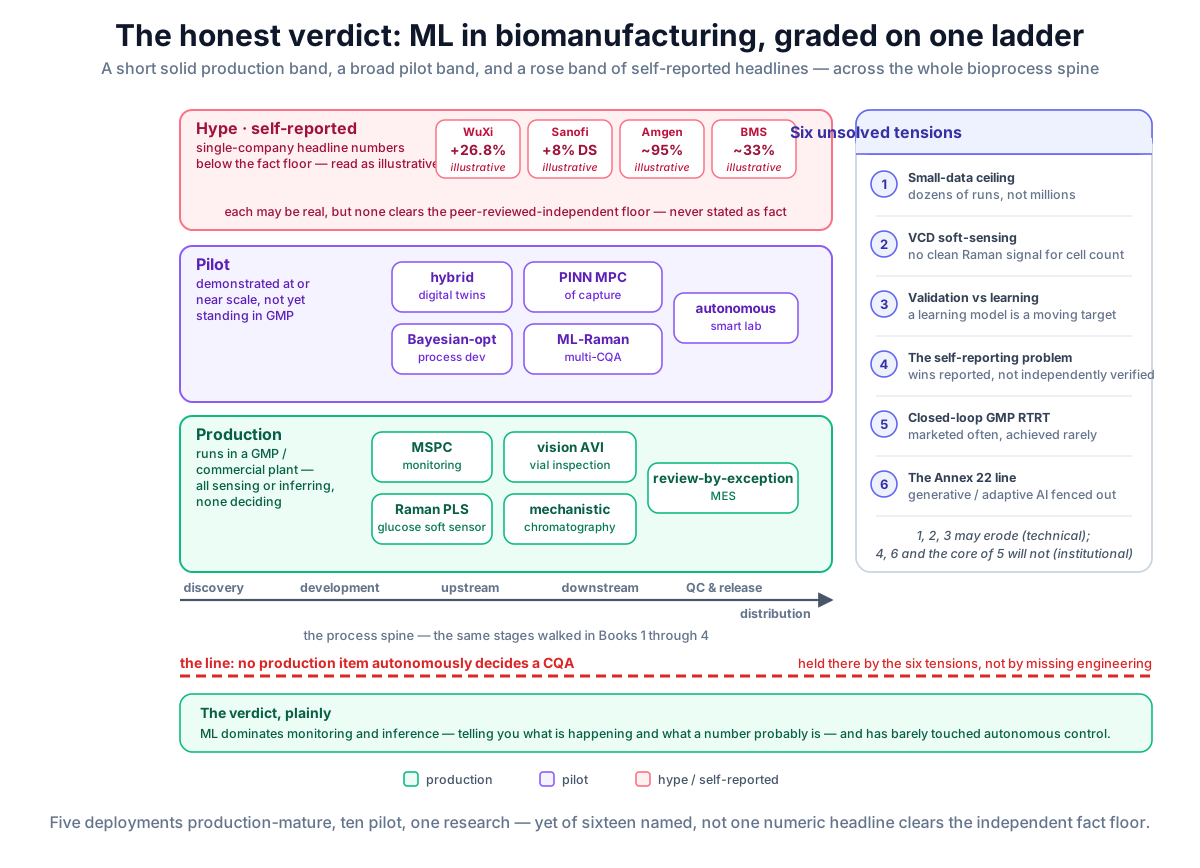 한 사다리에 담은 책 전체: 짧고 단단한 상용 띠(모니터링, 라만 소프트 센싱, 비전 검사, 기계론적 크로마토그래피, 예외 기반 검토), 넓고 유망한 파일럿 띠, 예시로 읽혀야 할 자체보고 헤드라인의 장미 띠, 그리고 상용 띠를 자율 CQA 제어에 못 미치게 붙드는 여섯 가지 구조적 긴장.
저자가 AI의 도움을 받아 직접 제작한 그림입니다.
한 사다리에 담은 책 전체: 짧고 단단한 상용 띠(모니터링, 라만 소프트 센싱, 비전 검사, 기계론적 크로마토그래피, 예외 기반 검토), 넓고 유망한 파일럿 띠, 예시로 읽혀야 할 자체보고 헤드라인의 장미 띠, 그리고 상용 띠를 자율 CQA 제어에 못 미치게 붙드는 여섯 가지 구조적 긴장.
저자가 AI의 도움을 받아 직접 제작한 그림입니다.
실행 가능하게 만든 증거 장부
위의 논증은 그 뒤에 있는 규율만큼만 좋으므로, 5권은 그 규율을 코드로 감사 가능하게 만듭니다. 마무리 모듈 examples/platform/ml/case_ledger.py는 모델이 아닙니다 — 그것은 구조화된 조사입니다. 책 속 모든 명명된 배포는 명시적 성숙도(research / pilot / production)와 증거 등급(peer-reviewed-independent / peer-reviewed-self-authored / vendor-self-reported / press-release-only)을 나르는 한 행이며, 주장을 정직하게 유지하는 검증 단서를 더합니다. 두 축은 일부러 직교하고 튜플로 순서 매겨져, 주장을 비교하는 것이 논쟁이 아니라 색인 산술이 됩니다. 주장은 그 등급 색인이 peer-reviewed-independent의 색인 이상일 때에만 "사실 바닥을 넘습니다". 그다음 도우미들은 이 장이 인용하는 분포를 계산하고, 확립된 사실로 진술되도록 허용되지 않는 모든 헤드라인 숫자 — 바닥 아래의 무엇이든 — 에 깃발을 답니다:
# examples/platform/ml/case_ledger.py — the evidence is the artifact, not the code.
from dataclasses import dataclass

TIER = ("press-release-only", "vendor-self-reported",
        "peer-reviewed-self-authored", "peer-reviewed-independent")
FACT_FLOOR = "peer-reviewed-independent"   # state as fact only at/above this tier

@dataclass(frozen=True)
class Case:
    company: str
    application: str
    claim: str          # the disclosed headline, verbatim-ish
    maturity: str       # research | pilot | production
    tier: str           # one of TIER
    note: str           # the verification caveat

    def stated_as_fact_ok(self) -> bool:
        return TIER.index(self.tier) >= TIER.index(FACT_FLOOR)

def overstated_if_quoted(ledger):
    """Headlines carrying a number that do NOT clear the fact floor — hedge these."""
    return [c for c in ledger
            if any(s in c.claim for s in ("%", "+", "hrs", "doses"))
            and not c.stated_as_fact_ok()]
이것을 정직하게 만드는 두 가지 설계 선택은 이름 붙일 가치가 있습니다. 첫째, TIER는 순서 있는 튜플이므로, stated_as_fact_ok는 위치의 단일 비교입니다 — 출처가 "충분히 좋은지"에 대한 흐릿한 판단은 없고, 오직 그것이 명명된 바닥에 도달하느냐만 있습니다. 둘째, overstated_if_quoted는 주장 문자열 속 숫자의 존재(%, +, hrs, doses)에 맞춰 작동하는데, 위험은 특히 정량적 헤드라인이 그 등급 없이 떠도는 것이기 때문입니다. 정성적 주장("improves monitoring")은 결정권자를 오도하는 것이 아닙니다. 선별된 열여섯 개의 명명된 배포 장부 위에 모듈을 실행하면 이 장 전체를 닻 내리는 집계를 그대로(verbatim) 출력합니다:
case ledger: 16 named deployments
  by maturity: {'production': 5, 'pilot': 10, 'research': 1}
  by tier:     {'peer-reviewed-self-authored': 7, 'vendor-self-reported': 4, 'press-release-only': 5}

headline numbers that must be hedged (below peer-reviewed-independent): 7 of 7 numeric claims
  - Amgen (Juncos, PR): "~6 h harvest idle + ~10 h inter-column idle eliminated (illustrative)"  [peer-reviewed-self-authored]
  - Amgen: "~95% of syringes/vials auto-released (illustrative)"  [vendor-self-reported]
  - Bristol Myers Squibb (with DataHow): "~33% better accuracy with ~half the data vs black-box"  [peer-reviewed-self-authored]
  - Sanofi: "+8% drug substance over 3 yrs (illustrative)"  [vendor-self-reported]
  - Sanofi: "~80% stockout prediction (illustrative)"  [press-release-only]
  - WuXi Biologics: "+26.8% average titer across 3 CHO clones (illustrative)"  [peer-reviewed-self-authored]
  - Pfizer: "16,000 hrs/yr, +20,000 doses/batch (illustrative)"  [press-release-only]

claims that clear the established-fact floor: 0
마지막 줄을 천천히 읽으세요. 이 분야에서 가장 많이 인용되는 열여섯 개의 배포 중, 모든 단일 숫자 헤드라인이 단서를 달아야 하고, 단 하나도 독립 검증의 기준을 넘지 못합니다. 성숙도 분포와 등급 분포는 이 장이 다르다고 거듭 고집하는 두 개의 다른 이야기를 합니다. 다섯 개의 배포가 상용 성숙도이나, 그중 단 하나도 동료심사-독립 등급에 도달하지 못합니다 — 성숙도와 증거 품질은 그저 함께 움직이지 않습니다. 그것은 그 작업에 대한 고발이 아닙니다 — 그 대부분은 탁월합니다. 그것은 자체보고 문제의 정량화된 형상이고, 이 책이 숫자에 그렇게 표찰을 다는 이유입니다. 장부는 "믿되 검증하라"를 구호에서 실행할 수 있는 함수로 바꾸고, 동반 cases.csv는 그것을 벤더가 다음에 당신에게 백분율을 건넬 때 덧붙일 수 있는 한 행으로 바꿉니다.
정직한 증거 주장 하나의 해부
이 분야에서 진실의 원자 단위는 숫자가 아닙니다 — 그것은 튜플입니다. 맨 "+26.8퍼센트 역가"는 무의미합니다. (WuXi, autonomous smart lab, +26.8% titer, pilot, peer-reviewed-self-authored, "single-company self-reported; PD scale, not GMP")로서의 같은 수치는 실제로 무게를 잴 수 있는 주장입니다. 그 튜플을 필드별로 해부하는 것이 이 장 전체가 의지하는 규율입니다.
 완전히 풀어낸 하나의 주장: 그것을 범위 짓는 회사와 응용, 예시 태그와 함께 다녀야 하는 verbatim 헤드라인, 성숙도 칸(상용이 아니라 파일럿), 등급 칸(독립 사실 바닥에서 한 칸 모자란 자체 저자 동료심사), 그리고 왜인지 설명하는 검증 단서 — 마케팅 숫자를 무게 잴 수 있는 증거 조각으로 바꾸는 구조화된 기록.
저자가 AI의 도움을 받아 직접 제작한 그림입니다.
완전히 풀어낸 하나의 주장: 그것을 범위 짓는 회사와 응용, 예시 태그와 함께 다녀야 하는 verbatim 헤드라인, 성숙도 칸(상용이 아니라 파일럿), 등급 칸(독립 사실 바닥에서 한 칸 모자란 자체 저자 동료심사), 그리고 왜인지 설명하는 검증 단서 — 마케팅 숫자를 무게 잴 수 있는 증거 조각으로 바꾸는 구조화된 기록.
저자가 AI의 도움을 받아 직접 제작한 그림입니다.
그 튜플을 필드별로 해부하세요. 각 필드가 다른 질문에 답하고, 각각이 빠질 때 다르게 실패하기 때문입니다.
company— 누가 만들고 보고했는가. 이것은 이해상충 필드입니다. 플랫폼을 파는 회사가 보고한 승리는 무가치하지 않지만, 그것은 결과가 아직 적수를 견뎌 내지 못했음을 알려 주는 필드입니다.company와 검증자가 같은 주체일 때, 논문이 아무리 좋아도 등급 천장은peer-reviewed-self-authored입니다.application— 정확히 무엇이고, 어느 규모인가. "Autonomous smart lab at process-development scale"는 "autonomous control at commercial GMP scale"와 다른 주장이고, 그 둘을 뒤섞는 것이 진짜 파일럿 결과가 상용으로 잘못 팔리는 가장 흔한 방식입니다. 이 필드가 WuXi 주장이 상용이 아니라 파일럿 성숙도를 얻는 곳입니다. PD 규모는 GMP 규모가 아닙니다.claim— verbatim 헤드라인, 그 숫자와 예시 태그가 분리 불가능하게. 장부가 코드로 강제하는 규칙은 산문이 문장으로 강제하는 규칙입니다. 숫자는 결코 태그 없이 다니지 않습니다. "+26.8% average titer across three CHO clones (illustrative)"가 주장 전체이고, 괄호를 빼면 신중한 공개를 마케팅 사실로 바꿉니다.maturity— 얼마나 멀리 갔는가: research, pilot, 또는 production. 이것은 증거가 얼마나 좋은지와 무관한 공학-그리고-배포 사실입니다. WuXi는 pilot에 자리합니다.tier— 증거가 얼마나 좋은가: press-release-only부터 peer-reviewed-independent까지 네 개의 순서 있는 칸. WuXi는 peer-reviewed-self-authored, 사실 바닥에서 정확히 한 칸 아래에 자리합니다 — 진지하게 받아들이기에는 충분히 가깝되, 확립된 사실로 진술하기에는 충분히 가깝지 않습니다.note— 산문으로 된 검증 단서. 이것이 튜플이 숫자로 다시 무너지는 것을 막는 필드입니다. "Single-company self-reported; PD scale, not GMP"는 성숙도와 등급 칸이 그 자리에 있는 사람이 읽을 수 있는 이유입니다. 그것 없이는 미래의 독자가 두 표찰을 보되 그 뒤의 왜는 보지 못합니다.
maturity와 tier가 독립적이므로, 주장은 하나에서 높고 다른 하나에서 낮을 수 있습니다. AVI는 상용 성숙도이나 오직 벤더 자체보고 등급이고, BMS/DataHow 하이브리드 결과는 오직 파일럿 성숙도이나 자체 저자 동료심사 등급에 도달합니다. 주장으로 무엇을 할지 알려면 두 칸이 모두 필요합니다 — 상용이되 약하게 입증됨은 "그것은 돌아가지만 출처를 지켜보라"를, 파일럿이되 잘 입증됨은 "결과를 믿되 규모화를 가정하지 마라"를 뜻합니다. 이것은 2권이 단일 데이터 점에 적용한 바로 그 맥락화 규율입니다. 값은 그것을 범위 짓는 메타데이터 없이는 무가치합니다.
모델을 신뢰할 수 있게 만드는 것은 그 아래의 그래프다
위의 증거 튜플은 작은 온톨로지입니다 — 타입 있는 필드, 순서 있는 tier 어휘, 정의된 사실 바닥 — 그리고 그것은 우연이 아닙니다. 주장을 무게 잴 수 있게 만드는 바로 그 모델링 규율이 모델을 신뢰할 수 있게 만들고, 그것이 이 책이 4권과 공유하는 실입니다. ML 파이프라인은 그 아래의 지식 그래프로부터 정직함을 물려받는데, 네 가지 구체적 방식으로 그러하며, 모델이 GMP 결정을 건드리는 순간 그중 어느 것도 선택사항이 아닙니다.
특징은 열 이름이 아니라 의미적 신원이다. 어떤 상용 파이프라인에서든 가장 취약한 것은 문자열로 당겨지는 특징입니다 — HCP_ng_per_mg, LIMS 이름 변경이나 단위 변경이 조용히 깨뜨리는 머리글. 같은 값을 그 온톨로지 IRI(Internationalized Resource Identifier — 개념에 대한 전역적으로 고유한 웹 이름, 예컨대 QUDT 단위에 대해 타입 지어진 bp:hcpPpm; 4권의 식별자와 단위 장을 보세요)로 당기면, 그 특징은 자신의 의미, 단위, 출처를 함께 나릅니다. BATCH-2026-004에서 숙주세포단백질을 83퍼센트 가리킨 기여도 도표가 감사 가능한 것은, 오직 그 분석물이 LIMS와 히스토리언과 모델에 걸쳐 식별되고 단위 지어진 하나의 사물이기 때문입니다 — 검토자가 손으로 대조해야 하는 세 개의 닮은꼴 열이 아니라.
출하 게이트 형상이 곧 훈련 데이터 게이트다. 4권의 출하 게이트는, 로트가 출하를 주장하기 전에 그 전체 CQA 패널이 존재하고 단일하며 범위 안에 있는지 점검하는 SHACL 형상(Shapes Constraint Language — 누락된 필수 결과에서 실패하는 폐세계 검증기로, 개세계 추론기라면 그저 어깨를 으쓱할 곳)입니다. 동일한 형상이 정확히 훈련 집합이 필요로 하는 완전성 계약입니다. 역가나 HCP 결과가 빠지거나, 중복되거나, 데이터형을 벗어난 행은, 출하에 부적합한 바로 그 이유로 학습에 부적합합니다. 모델의 입력을 출하 게이트 자신의 형상으로 검증한다는 것은, 모델을 훈련하는 데이터가 로트를 출하하는 데이터와 같은 기준을 충족함을 뜻합니다 — 하나의 보증, 재사용된.
계보 에지가 교차검증 그룹화 키다. 이 책에서 가장 중요한 정직-검증 선택 — 데이터 장이 고집하는 배치 그룹화 분할, 그래서 모델이 이미 본 배치의 거의 동일한 시간들이 아니라 전혀 보지 못한 배치 위에서 점수 매겨지는 것 — 은 어느 행들이 생산 조상을 공유하는지 아는 데 달려 있습니다. 그 그룹화 키는 믿어야 할 표찰이 아닙니다. 그것은 bp:derivedFrom 사슬의 머리, 모든 원료의약품 로트를 하나의 동결된 세포 은행 바이알까지 뿌리내리는 전이적 계보 척추입니다. 그 에지가 전이적으로 선언되었기에, "같은 종균 배양에서 내려온 모든 사례"는 취약한 문자열 일치가 아니라 그래프 질의입니다 — 정확히 leave-one-batch-out 분할이 필요로 하는 그룹화이고, 배치 내 R² 0.9944가 일반화 점수가 아니라 보간 점수로 정직하게 표찰되는 이유입니다.
그리고 그래프는 LLM이 딛고 서는 땅이다. 이 책의 모든 생성 AI 주장은 같은 사실로 울타리 쳐집니다 — 언어 모델은 유창한 구조를 공급하고, 지식 그래프는 검증된 실체를 공급합니다. 4권의 온톨로지와 AI 장은 이것을 GraphRAG(그래프 기반 검색 증강 생성)로 글자 그대로 만드는데, 거기서 모델은 그럴듯한 사슬을 지어내는 대신 타입 있는 bp:derivedFrom 에지를 순회하고 인용하여 계보 질문에 답합니다 — 측정값(연속체 품질)을 그것을 낳은 운전(발생체)으로부터 구별해 두는 BFO(기초 형식 온톨로지) 규율이, 그래프가, 따라서 모델이 숫자를 그 뒤의 사건과 혼동하는 것을 막습니다. 이것이 이 장이 생성 AI에 대해 적대적이 아니라 엄격한 이유입니다. SHACL로 검증되고 계보로 타입 지어진 그래프에 근거한 LLM은 감사 가능하고, 훈련 기억에서 즉흥 연주하는 같은 LLM은 일어나기를 기다리는 Purolea 경고 서한입니다.
오늘 시작하는 팀을 위한 정직한 조언
지금 생물학적 제제 공정을 위한 ML 프로그램을 세우고 있다면, 책의 논증 전체가 순서 매겨진 플레이북으로 압축됩니다. 그것은 일부러 화려하지 않고, 순서가 하중을 받습니다 — 모든 단계는 그 앞 단계가 끝났다고 가정합니다.
데이터부터 고쳐라. 모든 설문에 걸친 1번 장벽은 모델이 아닙니다 — 그것은 데이터입니다. 사일로, 비-FAIR 기록(찾을 수 있고, 접근 가능하고, 상호운용 가능하고, 재사용 가능하지 않은 데이터 — FAIR 데이터 표준), 종이-디지털 혼합 배치 기록, 그리고 하루에 한두 번만 측정되는 오프라인 참조의 "콜드 스타트" [7]. 맥락화되고 귀속 가능한 태그를 가진 히스토리언 — 태그된 공정 데이터를 저장하는 시계열 데이터베이스 — (2권의 데이터 그림자, 3권의 오픈소스 스택)은 사후 고려가 아니라 전제조건입니다. 어떤 모델도 나쁜 데이터를 살아남지 못하고, 멎는 대부분의 ML 프로그램은 여기서 멎습니다. 준비됨의 구체적 시험은 이것입니다. 이 책의 계보 WCB-CHO-001 → SEED-001 → BATCH-2026-001 → … → DP-001이 하는 방식대로, 하나의 완제의약품 로트를 모든 공정 중 태그를 거쳐 작업 세포 은행까지 거슬러 추적할 수 있는가? 그렇지 않다면, 당신은 모델 준비가 된 것이 아닙니다. 히스토리언 준비가 된 것입니다.
"고쳐졌다"가 실제로 뜻하는 바는 "깨끗하다"보다 더 구체적입니다. GMP 아래에서 모델이 학습하는 데이터 자체가 규제된 기록이기 때문에, 훈련 집합은 공장의 기록이 다스려지는 방식대로 다스려져야 합니다. 구체적으로, 태그는 벤더에 묶인 전송이 아니라 상호운용 가능한 전송으로 도착해야 하고(레거시 OPC DA를 대체하는 OPC UA — 표준 기계-대-히스토리언 프로토콜), 공유된 설비-그리고-공정 계층에 대해 맥락화되어야 하며(ISA-95 — 공장 수준과 배치 구조의 표준 모델 — 과 그것을 직렬화하는 B2MML XML, 그래서 라만 태그가 모호함 없이 이 배치 속 이 바이오리액터 위의 이 프로브임), 일관된 단위와 마스터 데이터 신원을 날라야 합니다(2권의 의미 상호운용성과 데이터 거버넌스 장이 그 주제 전체입니다). 그리고 검토자가 배치 기록에 적용하는 바로 그 ALCOA+ 기대가 그 훈련 집합에도 적용됩니다. 데이터는 귀속 가능(Attributable)하고 판독 가능(Legible)하며 동시적(Contemporaneous)이고 원본(Original)이며 정확(Accurate)해야 하고(더해 완전·일관·항구·가용), 모든 값이 Part 11 / Annex 11 감사 추적(전자 기록과 서명에 대한 FDA 21 CFR Part 11과 EU GMP Annex 11 규칙)으로 뒷받침되어야 합니다. ALCOA+를 충족할 수 없는 데이터로 훈련된 모델은 감사 가능하지 않고, 감사 불가능한 모델은 그 점수가 아무리 좋아도 점검관에게 방어될 수 없습니다.
상용 목록이 이미 있는 곳에서 시작하라. 새로운 무언가에 손대기 전에 MSPC 모니터링과 라만 소프트 센서를 배포하세요. 그것들은 입증되었고, 검증 경로가 이해되어 있으며, 몇 달 안에 가치를 냅니다. 모니터링 층이 단단해질 때까지 자율 트윈으로의 끌림에 저항하세요 — 트윈의 가치는 그 아래의 데이터와 모니터링에 전적으로 의존합니다. MSPC 구축은 책에서 가장 값싼 고가치 승리입니다. 한 줌의 좋은 배치 위의 2성분 PCA가 방어 가능한 T²/SPE 관리 차트와, 실패하는 분석물을 가리키는 기여도 도표를 줍니다 — 정확히 BATCH-2026-004에 대해 HCP를 가리켰던 그대로.
블랙박스가 아니라 하이브리드를 기본으로 하라. 소량-데이터 영역에서, 학습된 잔차를 가진 기계론적 골격은 순수 신경망을 능가하고 설계 공간 전체에서 더 안전하게 일반화합니다 — 그리고 물리가 데이터가 결론지을 수 있는 것을 제약하므로 규제자에게 방어하기가 훨씬 쉽습니다 [12]. 동료심사된 BMS/DataHow 결과 — 블랙박스 대비 약 절반의 데이터로 대략 3분의 1 더 나은 정확도(파일럿, 자체 저자 동료심사) — 는 이 기본값에 대한 가장 깨끗한 외부 증거이고, 책 자신의 하이브리드 실행이 BATCH-2026-001에서 그 형상을 재현합니다 [11]. 데이터가 진정으로 빽빽할 때에만 순수 심층망에 손을 뻗으세요 — 이 분야에서 그것은 배치 기록이 아니라 이미지(AVI)를 뜻합니다.
모델을 잠그고, 재학습을 계획하라. 첫 표류 사건 후가 아니라 배포 전에 동결된 모델을 검증하고 사전결정 변경관리 계획을 작성하세요. 표류 모니터링(입력 PSI 더하기 잔차 관리 차트, MLOps 장에서처럼)을 첫날부터 시스템에 짓는데, GMP 아래 모델은 일정에 따라 불신되어야 하기 때문입니다. 표류 탐지기와 PCCP는 한 의무의 두 절반입니다. 차트는 잠긴 모델이 언제 진부해졌는지 알려 주고, 변경관리 계획은 검증 전체를 다시 열지 않고 그것을 어떻게 갱신해도 되는지 알려 줍니다. 그리고 스케일업과 기술 이전이 강제할 재학습을 예산에 넣으세요. 2,000 L에서 보정된 소프트 센서는 12,000 L에서 사전 적격화된 채로 도착하지 않고, 공정을 두 번째 현장으로 옮기는 것은 설비의 적격성과 함께 모델의 적격성도 다시 엽니다 — 새 프로브, 새 배지 로트, 새 시설은 정확히 PSI 차트가 잡도록 지어진 방식대로 입력 분포를 이동시킵니다. 모델은 공정의 적격화된 한 조각이므로, 컬럼과 바이오리액터와 같은 기술 이전 부담을 물려받습니다. 기술 이전 및 스케일업 장은 이 재검증 비용을 놀람이 아니라 계획된 항목으로 다룹니다.
사람을 루프 안에 두고, 규칙이 허용할 때까지 AI를 핵심 경로 밖에 두라. Annex 22 초안과 Purolea 경고 서한은 모호하지 않습니다. 생성 및 적응형 AI는 핵심 GMP 결정에 속하지 않고, 품질 단위 검토 없이 출하된 기록을 작성하는 모델은 일어나기를 기다리는 집행 조치입니다 [14][15]. 네 눈 게이트를 대체하기 위해서가 아니라 사람에게 알리기 위해 ML을 쓰세요. 내부적으로 그을 실용적 선은 이것입니다. 모델은 경로 지정하고, 순위 매기고, 검색하고, 깃발 달아도 되며, 사람이 결정하고 서명합니다.
모든 숫자에 그 등급을 표찰하라. 내부적으로도 외부적으로도, 효율 헤드라인을 같은 문장에 그 증거 등급 없이 결코 인용하지 마세요. 그것은 책에서 가장 값싼 규율이고 당신의 신뢰성 — 그리고 당신의 결정 — 을 가장 잘 보호하는 것입니다. case_ledger.py 관례는 이식 가능합니다. 네 칸 등급, 사실 바닥, 그리고 바닥 아래의 인용된 숫자는 "(illustrative)" 태그를 단다는 규칙은 설치해야 할 도구가 아니라 회의에서 채택할 수 있는 습관입니다.
미해결 부분: 천장이 언젠가 들리는가
정직한 미해결 질문은 어떤 단일 긴장이 완화될 수 있느냐가 아니라 — 여럿이 이미 깎이고 있습니다 — 소량-데이터 천장 자체가 언젠가 벗어날 수 있느냐, 그리고 그렇게 된다면 분야에 무슨 일이 일어나느냐입니다. 두 후보 탈출로는 모두 진정으로 불확실하고, 그것들은 정반대 이유로 실패합니다. 하나는 훈련할 데이터가 없을 수 있고, 다른 하나는 그것이 의존하는 데이터 공유가 없을 수 있습니다.
기반 모델과 바이오공정 시계열 모델은 학습을 많은 공정에 걸쳐 분할 상환하여 새 제품이 콜드 스타트가 아니라 강한 사전분포에서 시작하도록 약속합니다. 오늘 그것들은 제품이 아니라 열망이고, 그것들을 훈련할 충분히 비교 가능하고 공유 가능한 바이오공정 데이터가 언젠가 존재할지는 미해결 질문입니다 [7]. 깊은 문제는 연산이 아닙니다 — 두 다른 시설의 두 다른 분자를 위한 두 CHO 공정은 두 사진이 그러한 방식으로 "같은 과제"가 아니라는 것입니다. 기반 모델을 비전과 언어에서 작동하게 만드는 귀납적 전이는 모든 공정이 맞춤형 생물학적 시스템일 때 그저 더 약할 수 있습니다. 연합 학습은 다른 길을 제공합니다 — 데이터를 모으지 않고 학습을 회사들에 걸쳐 모으는 것 — 그리고 MELLODDY(경쟁사들의 비공개 데이터셋에 걸쳐 공유 모델을 훈련한 다중 제약사 컨소시엄)가 신약 발견에서 그 개념을 입증했습니다 [7]. 그러나 그것은 제조로 건너오지 못했는데, 거기서는 데이터가 한층 더 엄중히 지켜지고 한층 더 이질적이며, 경쟁자의 배치 기록은 회사가 가진 가장 상업적으로 민감한 자산 중 하나입니다. 탈출로는 원칙적으로 존재합니다. 그것을 걸을 유인은 아직 존재하지 않습니다.
그리고 진술할 가치가 있는, 더 깊고 더 불편한 가능성이 있습니다. 데이터 천장이 들려도, 규제 천장은 들리지 않을 수 있습니다. 연속적으로 학습하고 CQA를 자율적으로 제어하는 모델은, Annex 22의 현재 초안에 의하면, 아무리 좋아져도 핵심 GMP에서 배제됩니다 [14]. 이것이 분야의 진정으로 미해결된 핵심입니다. 자율 바이오공정의 구속 제약은 모델이 무엇을 학습할 수 있느냐가 아니라, 우리가 감독 없는 모델이 인간 의약품에 대해 무엇을 결정하도록 허용할 의지가 있느냐로 드러날 수 있습니다. 극한 사례를 그려 보세요 — 모든 CQA에서 모든 인간 운전자를 입증적으로 능가하고, 독립적으로 복제되며, 완전히 투명한 연속학습 컨트롤러. 초안 규제의 문구에 의하면 그것은 여전히 핵심 경로에서 차단되는데, 반대는 결코 그 정확도가 아니었기 때문입니다. 그것은 그것이 틀렸을 때 누가 책임지느냐의 질문이었습니다. 그것은 더 많은 데이터가 푸는 문제가 아닙니다. 그것은 신뢰, 책무, 그리고 사람이 어디서 책임져야 하느냐에 관한 질문이며 — 그것은, 마땅히, 미해결입니다.
이 장이 모델 모음에 더하는 것
이 마무리 장은 새로운 예측 모델을 기여하지 않습니다 — 설계상 그렇습니다. 그것의 산출물은 examples/platform/ml/case_ledger.py(평면 동반물 cases.csv와 함께)이고, 평결 전체를 닻 내리는, 명명된 ML/AI 제조 배포의 구조화되고 기계 점검 가능한 장부입니다. 모듈은 열여섯 개의 배포를 (company, application, claim, maturity, tier, note) 행으로 부호화하고, 이 장이 인용하는 성숙도와 등급 분포를 계산하며 — 가장 중요하게 — 동료심사-독립 사실 바닥을 넘지 못하는 모든 숫자 헤드라인에 깃발을 달고, 그것을 넘는 주장이 제로임을 출력합니다. 그것은 일부러 표준 라이브러리만 쓰므로 어디서나 돌아가고 데이터 — 선별된 증거 — 가 코드가 아니라 산출물입니다.
그 이상으로, 이 장은 책이 만든 전체 examples/platform/ml/ 모음으로 되돌아가는 색인이고, 그 모음 자신의 신뢰성 장치(run_all.py)는 이 장 논증의 구조적 쌍둥이입니다. 그것은 고정된 데이터셋에 대해 스물한 개 모델을 실행하고 — 실행 가능한 33개 모듈로 이루어진 더 큰 모음에서 뽑은 것으로, 그중 run_all.py는 21개를 신뢰성 증거로 게이팅합니다 — 각각을 그 자신의 진술된 합격 단언으로 게이팅하며, 21/21 통과를 보고합니다 — 그 세 숫자는 일부러 다른 것을 셉니다: 33은 전체 모듈 수, 21은 합격/불합격 수용 게이트에 걸린 모듈, 그리고 16은 장부에서 조사된 실세계 배포입니다 — 그다음 즉시 이 장 전체가 확장하는 줄을 더하는데, 게이트를 통과하는 것은 필요조건이지 충분조건이 아니다라는 것입니다. GMP 신뢰성은 의도 사용 범위, 변경 관리, 사람 감독도 필요로 하기 때문입니다. 그 모음은 머리를 맞댄 대결이 소량-데이터 교훈을 구체화한 PLS 및 1D-CNN 소프트 센서(soft_sensor_pls.py, soft_sensor_deep.py); 하이브리드 모델(hybrid_model.py); 표류 탐지기(drift.py); MSPC와 출하 예측기(mspc.py, release_predict.py); 비전 AVI(vision_avi.py); 그리고 크로마토그래피, 바이러스, 수지-수명, 콜드체인, 일탈-분류 모듈에 걸칩니다. 그 모든 것이 같은 커밋된 시뮬레이터 데이터셋과 같은 계보 — WCB-CHO-001 → SEED-001 → BATCH-2026-001 → … → DS-001 → DP-001, BATCH-2026-001을 골든 배치로, BATCH-2026-004를 숙주세포단백질에서 OOS로 가는 것으로 — 위에서 돌아가므로, 모음 전체가 ML이 정확히 어디서 돕고 정확히 어디서 멎는지에 대한 단일하고 일관되며 실행 가능한 시연입니다.
그 장치를 단지 편리한 것이 아니라 신뢰할 수 있는 것으로 만드는 것은, 그것이 오픈소스의 의미에서 재현 가능하다는 점입니다. 모음은 오직 관대하게 라이선스된 오픈소스 라이브러리(scikit-learn과 PyTorch) 위에 지어지고, 의존성 버전을 고정하여 독자가 움직이는 표적이 아니라 같은 환경을 다시 실행하며, 모든 무작위 시드를 고정하여 재실행이 출력된 숫자를 자릿수까지 재현합니다. 그 삼위 — 오픈 라이선스, 고정된 버전, 고정된 시드 — 가 회의적인 독자로 하여금 숫자를 믿는 대신 다시 도출하게 합니다. 이것이 이 장의 방법론적 요점을 이 장 자신의 코드에 적용한 것입니다. 평결은 분야에게 그 주장을 점검 가능하게 만들라고 요구하므로, 책은 자신의 주장을 먼저 점검 가능하게 만듭니다.
왜 중요한가
과대광고로 끝났을 바이오 제조에서의 ML에 관한 책은 분야에 폐를 끼쳤을 것인데, 분야의 진짜 문제는 열정의 부족이 아니라 교정된 판단의 부족이기 때문입니다. 실무자가 이 서른 장에서 가지고 나갈 수 있는 가장 가치 있는 것은 모델 아키텍처가 아닙니다. 그것은 성숙도를 증거 등급으로부터 가르고, 누가 숫자를 무엇에 대해 측정했는지 묻고, 상용 목록이 어떤 데모로도 극복되지 않는 구조적 이유로 짧다는 것을 인지하는 반사입니다. ML은 진정으로 바이오 제조를 더 낫게 만듭니다 — 더 안전한 모니터링, 더 빠른 추론, 더 적은 낭비된 운전, 자동 출하된 바이알. 그것은 오늘 거의 전적으로 사람이 감독하는 비자율적 영역에서 그렇게 하고, 그것은 기술의 실패가 아닙니다. 그것은 사람을 위한 의약품을 만드는 데 돕는 소프트웨어에 적절한 자세이며, 거기서 틀리는 것은 혼동 행렬이 담아낼 수 없는 비용을 가집니다.
실제 현장에서는
가장 명확한 실세계 신호는 설문이 거듭 측정하는 간극입니다. ISPE 7번째 Pharma 4.0 설문은 AI/ML이 어떤 디지털 기술보다 가장 많은 파일럿과 가장 적은 규모화된 구현을 가지며, 높고 정체된 "파일럿" 범주를 가짐을 발견합니다. McKinsey의 State of AI는 대부분의 조직이 실험-그리고-파일럿 모드에 갇혀 있고 오직 작은 분획만이 전사적 영향을 달성함을 발견합니다. BioPhorum의 성숙도 모델은 자율 AI 운영을 여전히 도달하지 못한 종착 상태로 명명합니다 [7]. 규모화된 상용 배포는 정확히 이 장의 짧은 목록에 있는 것들입니다 — 모니터링, 예측 유지보수, 비전 검사, 그리고 사람이 루프 안에 있는 문서화 — CQA의 자율 제어가 아닙니다.
규제 골조는 정확히 이 독해로 수렴하고 있습니다. FDA의 2023년 논의 문서 Artificial Intelligence in Drug Manufacturing과 그 위험 기반 모델-신뢰성 틀, 생성 및 적응형 AI를 핵심 GMP에서 날카롭게 배제하는 EU Annex 22 초안, ISPE GAMP(우수 자동화 제조 관리 기준) AI 가이드, 그리고 첫 집행 조치로서의 Purolea 경고 서한이 모두 같은 방향을 가리킵니다. 잠긴 모델, 사전결정 변경 관리, 사람 감독, 그리고 규제된 객체로서 검증될 수 있을 때까지 핵심 경로 밖에 둔 AI [16][14][15]. 분야가 어디쯤 있는지에 대한 가장 정직한 한 문장 요약: 바이오 제조에서의 ML/AI는 보기와 추론에는 상용급이고, 최적화에는 파일럿급이며, 자율적으로 결정하기로부터는 일부러 울타리 쳐져 있습니다 — 그리고 그 울타리는 일부러 거기 있습니다.
핵심 용어
- CQA(핵심 품질 속성) — 의약품이 안전하고 효과적이려면 규격 안에 머물러야 하는, 순도나 역가 같은 측정된 제품 속성; ML이 아직 자율적으로 제어하도록 허용되지 않은 것. QC 및 출하 장을 보세요.
- 소프트 센서 — 라만 스펙트럼 같은 쉽고 연속적인 신호로부터 측정하기 어려운 값(역가, 세포 밀도)을 추론하는 모델; 생산 바이오리액터 장을 보세요.
- R² / AUROC — 1.0에 가까울수록 좋은 적합/기량 점수(AUROC 0.5는 동전 던지기); 그러나 잘못된 데이터 분할 위의 높은 점수는 인공물일 수 있고, 이것이 이 장이 누수 없는 시험 대 배치 내 시험에 깃발을 다는 이유입니다.
- 중첩 교차검증 — 모델이 다른 조각들에서 튜닝되고 점수 매겨지도록 데이터를 분할하여, 같은 폴드에서 점수를 읽어 내는 낙관을 제거하는 것.
- 상용 / 파일럿 / 연구(성숙도) — 배포가 얼마나 멀리 갔는지에 대한 세 칸 사다리: GMP/상업 사용에서 돌아감, 규모에서 또는 그 근처에서 시연됨, 또는 학술적/초기.
- 증거 등급 — 증거가 얼마나 좋은지에 대한 네 칸 사다리: 보도자료 한정, 벤더 자체보고, 자체 저자 동료심사, 독립 동료심사.
- 사실 바닥 — 숫자가 확립된 사실로 진술되어도 되는 등급(독립 동료심사) 이상; 그 아래에서 숫자는 예시적/자체보고로 표찰되어야 함.
- 증거 튜플 — 여기서 진실의 원자 단위:
(company, application, claim, maturity, tier, caveat); 그것 없는 맨 숫자는 쓸 만한 주장이 아님. - 의미적으로 근거된 특징 — 취약한 열 이름이 아니라 그 온톨로지 IRI(전역적으로 고유하고 단위 지어진 웹 이름)로 당겨져 자신의 의미와 출처를 나르는 모델 입력; 4권의 식별자와 단위 장을 보세요.
- SHACL 출하 게이트 — 누락된 필수 결과에서 실패하는 폐세계 형상; 출하 로트를 검증하는 바로 그 형상이 훈련 집합의 완전성도 검증함. 4권의 출하 게이트 장을 보세요.
- GraphRAG — 그래프 기반 검색 증강 생성: LLM이 사슬을 지어내는 대신 지식 그래프 속 검증된
bp:derivedFrom에지를 순회하고 인용하여 답함; 4권의 온톨로지와 AI 장을 보세요. - ALCOA+ / Part 11 / Annex 11 — GMP 훈련 집합이 감사 가능하려면 충족해야 하는 데이터 무결성 기대(귀속 가능·판독 가능·동시적·원본·정확, 더해 완전·일관·항구·가용)와 FDA 21 CFR Part 11 / EU GMP Annex 11 전자 기록 규칙.
- ISA-95 / OPC UA / B2MML — 공정 태그를 공장의 설비-그리고-배치 계층(ISA-95, B2MML로 직렬화)에 대해 상호운용 가능한 전송(OPC UA) 위에서 맥락화하는 표준들; 훈련 집합이 2권의 의미 상호운용성 장에서 물려받는 근거.
- 소량-데이터 천장 — 바이오공정 ML의 구속 제약: 학습할 비싼 운전이 너무 적음, 이것이 하이브리드 모델링과 사전분포가 블랙박스를 이기는 이유.
- 자체보고 문제 — 공개된 거의 모든 효율 승리가 그것을 만든 회사가 검증 없이 보고하는 분야 전반의 패턴.
- 잠금-그다음-재학습(PCCP) — 핵심 사용 모델에 유일하게 규제적으로 수용 가능한 패턴: 검증에서 동결하고, 사전결정 변경관리 계획으로 갱신을 다스림.
- 폐루프 GMP RTRT — 완전히 승인되고 공개된 루프에서 모델을 통한 CQA의 실시간 출하; 흔히 마케팅되나 생물학적 제제에는 드물게 달성됨.
- Annex 22 선 — 동적, 확률적, 생성, 자가학습 AI를 핵심 GMP 응용에서 배제하는 초안 경계.
- 예외 기반 검토 — 사람 판단을 위한 일탈만을 떠올리는 MES 실행 패턴(예: Körber PAS-X); ML이 위에 얹히는 척추, 자율이 아니라 자문적.
다음 이야기
이것은 척추의 마지막 장이므로, 앞이 아니라 뒤로 이어집니다. 동반 참고문헌은 5권에 걸쳐 인용된 모든 출처를 장별로 정리하여 모으므로, 각 주장을 그 기원까지 추적하고 그 자신의 등급에서 무게를 잴 수 있습니다. 그리고 더 깊은 목적지는 시리즈 전체입니다. 이 책이 학습한 같은 계보 WCB-CHO-001 → SEED-001 → BATCH-2026-001 → … → DP-001은 1권이 물리적으로 만들고, 2권이 데이터로 그림자 졌으며, 3권이 오픈소스 스택에 포착하고, 4권이 지식 그래프로 모델링한 그것입니다. 다섯 권, 하나의 공정, 다섯 개의 렌즈 — 그리고 정직하게 채점된 학습 렌즈는, 데이터와 물리와 규제가 허락하는 딱 그만큼 멀리까지 또렷이 보고, 그 이상은 아닌 것으로 드러납니다.